Careers Blog

Not all remote claims jobs are created equally. If you’re searching for remote insurance claims jobs, it’s important to be aware that a job listing doesn’t tell the full story. Some remote roles look promising from their description but lack the support that employees need to thrive.

Have you ever seen the job title “third-party administrator” when you’ve been searching for jobs? If you have and wondered what the work actually involves, you’re not alone. This term can feel broad, especially if you’re coming from adjacent fields like customer service, insurance, or finance.

Subrogation jobs can offer something many careers don’t: a clear path to stability, skill development, and long-term growth. But they also come with specific expectations. Subrogation is not a field built on shortcuts, but on consistency, accountability, and a willingness to learn and improve over time.

Today, many remote roles happen with a limited amount of interaction. You may log on, manage your tasks, and find that you barely communicate with any coworkers by the time the workday is over. Some people appreciate this at first, but over time, many people find that they miss being a part of a team that’s all working toward a shared goal.

Now more than ever, many people are craving stability and structure when it comes to their career. Roles in subrogation can be a good fit for people who are just starting out or those who are hoping to make a change. Subrogation roles can offer a clear path to learn, grow, and earn over time.

As the job market continues to shift in 2026, many people are pivoting their careers or taking steps in entirely new directions. Most people simply want a role with structure, stability, and growth potential. This is why many professionals have started exploring new opportunities in insurance, claims, or customer service.

Some industries in recent years have started asking employees to return to the office. However, interest in remote work remains strong. Many employees see the benefits in working remotely, and many people want to find a role that is flexible and supports work/life balance.

If you’ve been searching for a new job or thinking about a career change, you may have seen the word “subrogation” come up in your searches. This word might be unfamiliar, causing you to skip past roles you might actually enjoy.

Feedback in the workplace can be tricky. Everyone responds to feedback differently, and managers may also have different mentalities around delivering feedback. However, it’s important to remember that constructive feedback is a cornerstone of a thriving workplace culture. When done right, feedback builds trust, encourages open communication, and fosters connection between employees and leadership. In environments where employees feel seen and supported, engagement and morale naturally grow stronger.

Across all industries, companies are recognizing that employee well-being is a core component of long-term financial performance and operational success. After all, high turnover rates, burnout, and disengagement come with a hefty price tag. When a business intentionally invests in employee satisfaction, mental health, and work-life balance, they see measurable returns in both morale and profit.

The hiring landscape in the claims and collections industry is changing fast. From evolving expectations around work-life balance to the integration of AI into the hiring process, companies are rethinking how they attract and retain talent. For hiring professionals and team leaders in claims and subrogation, staying ahead of these shifts is essential.

The way many of us work has changed since the pandemic. Hybrid teams are the new normal. Balancing remote flexibility with in-office collaboration is a top priority for companies looking to build resilient, effective teams. While the hybrid model offers opportunity for autonomy, productivity, and work-life balance, it also introduces many challenges.
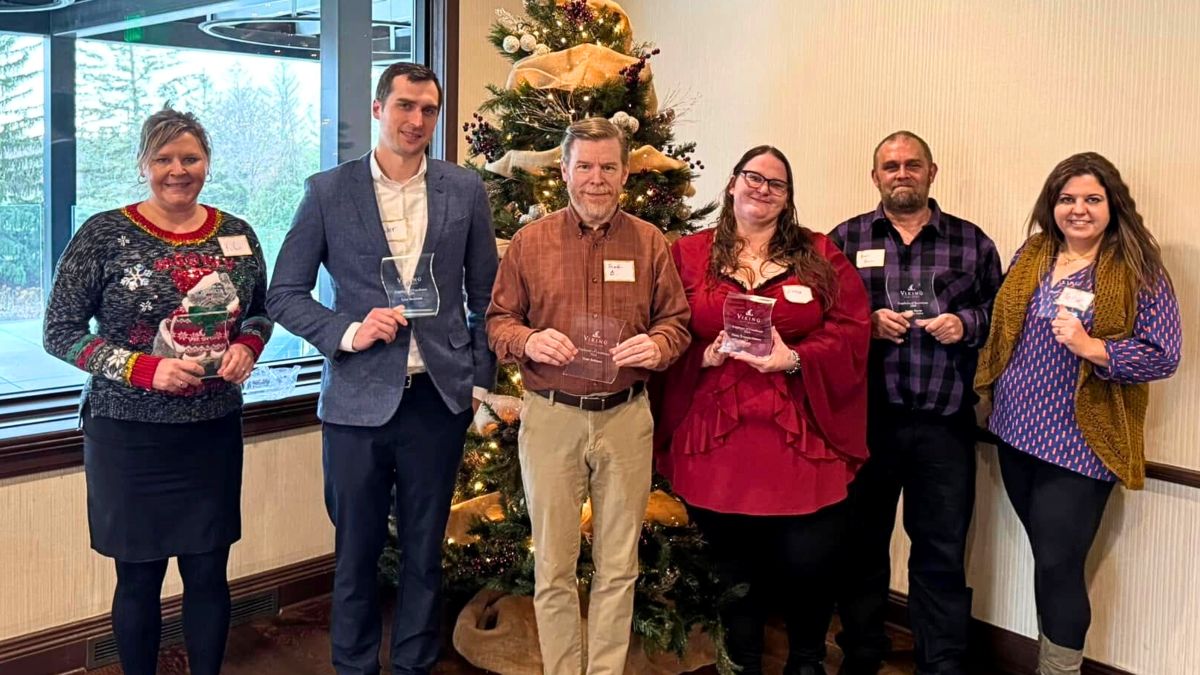
At Viking Client Services, compassion isn’t just used as a buzzword—it’s truly the foundation of everything we do. In an industry that’s often known for being transactional or harsh, Viking stands out by putting people first. Whether it’s by supporting our clients through financial complexities or empowering our remote employees to grow in their careers, we work to maintain a workplace culture rooted in empathy, understanding, and trust. One of the best ways we’ve seen this is through the voices of our own team.

Every generation has their stereotypes—good and bad. Those in the Baby Boomer generation have the reputation of being hardworking and dedicated but stubborn and resistant to change. Those in Generation Z, on the other hand, are often viewed as adaptable and quick learners but also not as dedicated or loyal as those that came before them.

When people hear the word “mentorship,” they usually picture a younger employee, or someone new to the work, being trained by someone who’s more experienced in the field. While this is partially accurate, there is much more to mentorship than learning new skills and technical knowledge of a job. Mentorship is also about helping guide employees in their soft skill and overall career development, which they will use in a wide variety of settings. Mentorship leads to happier employees and more confident leaders. Best of all, it has ripple effects that can benefit the entire organization.

In 2025, the world is changing at a rapid pace. AI is becoming prevalent at every turn, automating more processes, especially in areas like financial services. The economy is turbulent, finances are tight, and people are wondering if a recession is around the corner. It’s an unsettling time in the finance industry—so how do organizations stay stable and moving forward?

While mental health has become a more widely discussed topic, there is still some stigma surrounding it—especially in the workplace. A common fear employees have when it comes to being open about their mental health struggles is that they will appear weak and incapable in the eyes of their employer. However, since the COVID-19 pandemic, many workplaces have started to better recognize the need for supporting their employees’ mental health.

Since the COVID-19 pandemic, remote and hybrid work options have become increasingly common, and it’s no wonder why. There are many benefits to being able to work remotely, from avoiding long commutes to having a more flexible daily schedule. However, while there are many pros to working remotely, does everyone truly thrive in a remote working environment?

Appreciation is something that everyone wants to feel, especially in their work. Being recognized and appreciated makes people feel valued, encouraged, and acknowledged. And when employees are not appreciated, their performance and engagement suffers, which affects the workplace as a whole.

Empathy may not be the first thing that comes to your mind when you consider useful skills for the workplace. However, empathy is a soft skill that can make all the difference when cultivating a thriving work environment. From relationships between colleagues to those built with customers, empathy is at the center of it all.

When it comes to the workplace, people bring many perspectives to the table, based on their backgrounds, experiences, and beliefs. While these differences can bring challenges, they also add value and help teams grow stronger together.

When it comes to progressing in your role at work, education is a key component. Delving deeper and finessing your current skillset, as well as learning new skills, can keep you moving forward. Not only does this set you up for growth and new opportunities, it also benefits your company to stay up-to-date on best practices and industry changes.

As election season rolls around, the workplace often becomes a hotbed of political discussions, opinions, and sometimes disagreements. While engaging in political dialogue can foster a sense of community and connection among employees, it can also lead to discomfort and tension.
In the debt recovery industry, the work can be demanding and the challenges intense. At Viking Client Services, fostering a strong, positive company culture is essential in helping us maintain balance. It's not just about creating an environment where people can work; it's about building a community where employees feel connected, supported, and motivated.

In the complex and often demanding world of business, maintaining a healthy workplace culture is essential. However, toxic work environments can silently grow, impacting productivity, employee well-being, and overall company success. Recognizing the signs of a toxic culture early can help business owners, managers, and employees to address issues before they escalate.

Maintaining a healthy work/life balance is essential for long-term success and overall well-being. In today’s fast-paced business environment, where demands and expectations can be overwhelming, it’s crucial to develop habits that support both professional productivity and personal satisfaction. Here are our most critical habits for cultivating work/life balance.

The choice between working for a small business or a big business affects many factors when it comes to your career path. Each setting offers distinct advantages and challenges, which can impact professional growth, job satisfaction, and work-life balance. Here, we hope to provide a thorough overview and meaningful insights which will help you navigate the decision with a clear understanding of what matters most to you.

Navigating the disclosure of an invisible disability in the workplace is a significant and daunting decision. It can provoke emotions of anxiety, vulnerability, and embarrassment and opportunities for isolation and mistreatment. The choice of if, when, and to whom to disclose is deeply personal, but with information and knowledge about the experience, it can be a manageable journey. Here, we outline several considerations to help you discern what choice is best for your circumstances and needs, and how you can move forward.

In a post-pandemic world, the dynamics of the workplace have changed significantly. More than ever, job seekers are committed to their holistic human needs at work, prioritizing flexibility, balance, and culture factors over traditional benefits. Modern employment takes a variety of forms including remote work, hybrid setups, and traditional in-office roles. Each employment structure comes with a unique set of perks and challenges that impact professional culture and job satisfaction. Let's delve into the nuances of each position style and how they influence employee happiness and productivity.

As we move through the new year, the job market is transforming, influenced by a competitive landscape, technological advancements, and the shifting priorities of employees. Whether you're a seasoned professional or a recent graduate, understanding these changes is crucial for navigating and succeeding in a job search. Let's delve into what to expect when looking for a job this year, and how to move through the evolving landscape.